
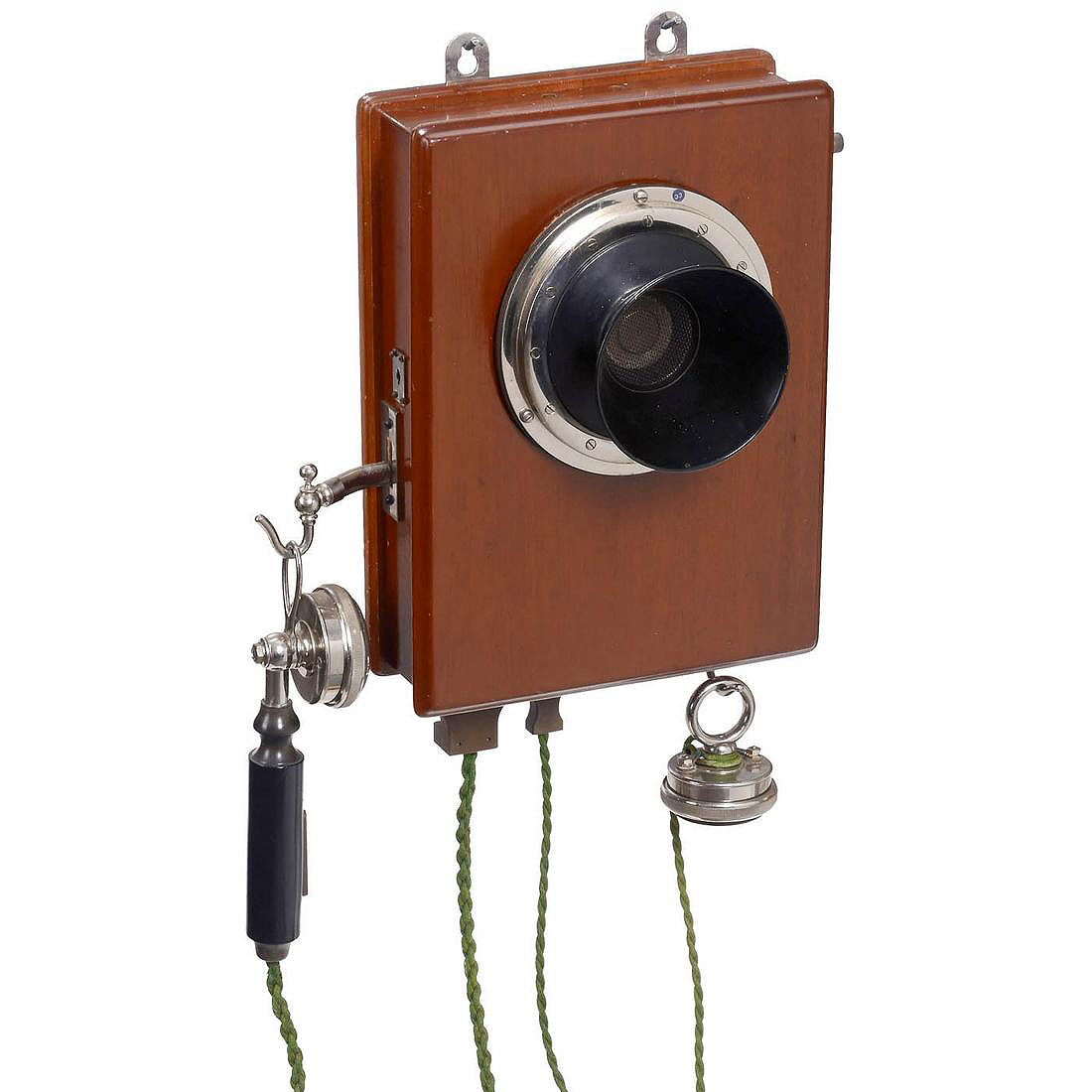
Tønsberg Telefonforening telephone
1920
AE Wall Phone Circa 1918
1918
High-current telephone for long distance calls
Swipe for next phone
››
×
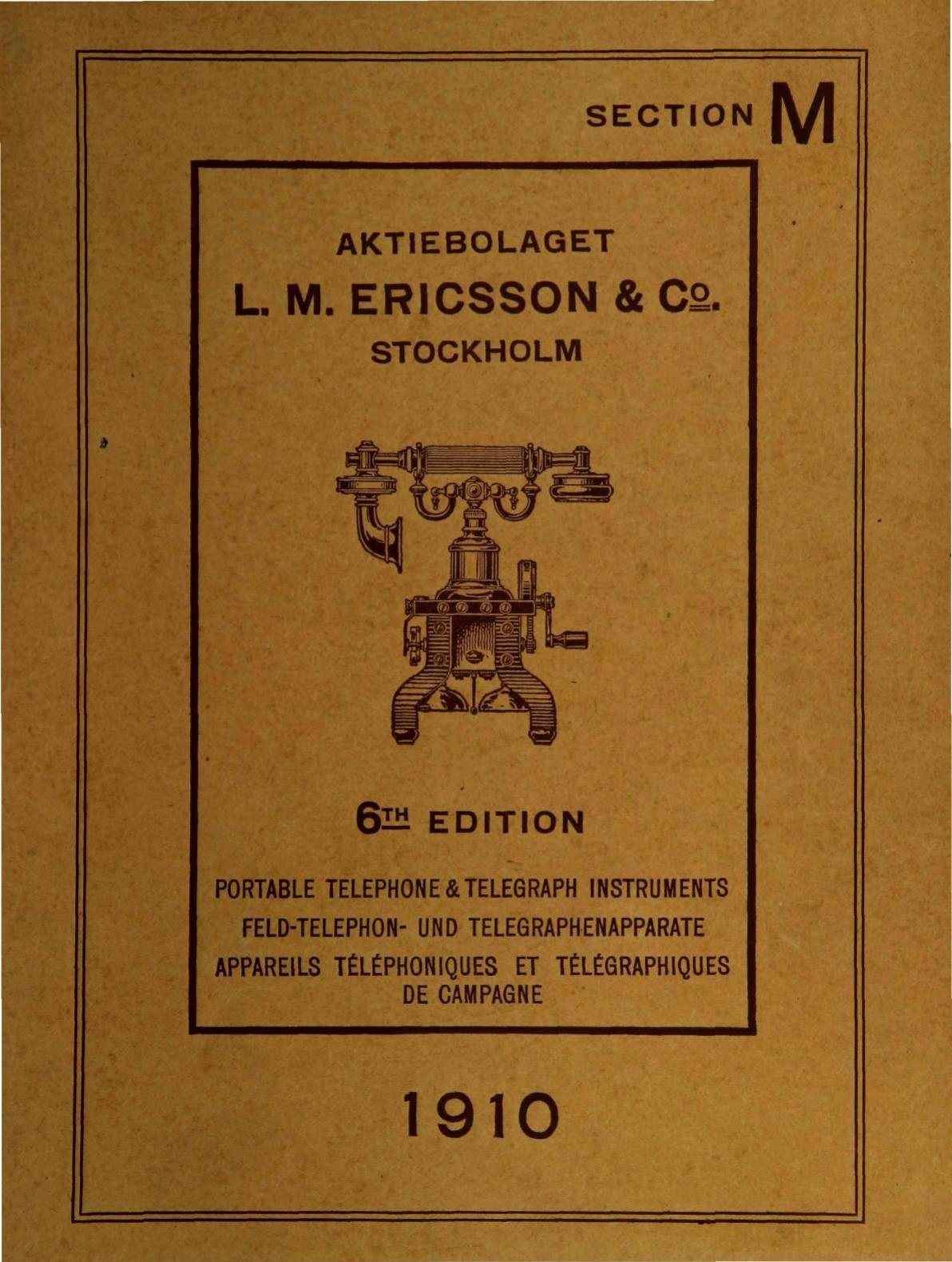
L.M. EricssonL.M. EricssonTelefonaktiebolaget LM Ericsson, commonly known as Ericsson, is a Swedish multinational networking and telecommunications company headquartered in Stockholm. Ericsson has been a major contributor to the development of the telecommunications industry and is one of the leaders in 5G. Ericsson has over 57,000 granted patents, and it is the inventor of Bluetooth technology.Read more on Wikipedia → · Wall, Swedish
About This Phone
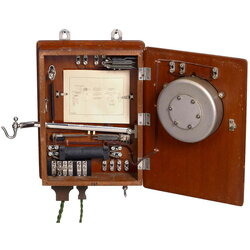
Swedish wall telephone, serial no. 133, with special high-current microphone by the Swedish engineers Egnér and Holmström, lateral switch for 3 levels, spoon-shaped receiver with speaking switch and extra bull ring receiver. The "high-current" telephone manufactured by L.M. Ericsson around 1910—specifically those featuring the Egnér-Holmström microphone—was designed to solve a major technical hurdle of the early 20th century: long-distance communication. In the era before electronic vacuum tube amplifiers (the Triode was invented in 1906 but not perfected for telephone repeaters until several years later), telephone signals weakened significantly over long distances. The rationale for this specific design was to increase the "volume" of the signal at the source so it could travel further without needing amplification along the line. These instruments were not intended for your average neighbor-to-neighbor call. Their rationale was strictly for long-distance (trunk) lines. By using a high-current telephone, the speaker's voice was converted into a much more powerful electrical wave. This "high-octane" signal could survive the journey across a province or between major cities like Stockholm and Berlin.
×
‹
![]() ›
›