
The Telephone Timeline
From Bell's patent to the digital age — over a century of telephone evolution
331 phones
·
138 documents
·
33 advertisements
·
13 decades
The 1870s The Invention
1876
Alexander Graham Bell patents the telephone
Bell receives U.S. Patent 174,465 on March 7, beating Elisha Gray's caveat by hours.
1877
Bell Telephone Company founded
Bell, Gardiner Hubbard, and Thomas Sanders form the Bell Telephone Company in Boston.
1877
First commercial telephone line
A line is strung between Charles Williams' electrical shop in Boston and his home in Somerville.
1878
First telephone exchange opens
The New Haven District Telephone Company opens the first commercial switchboard with 21 subscribers.
1879
Edison invents the carbon transmitter
Edison's carbon button transmitter vastly improves voice quality, making long-distance conversation practical.
Phones
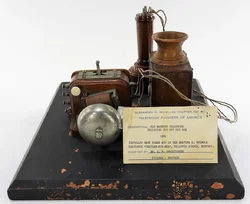
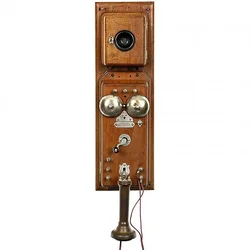
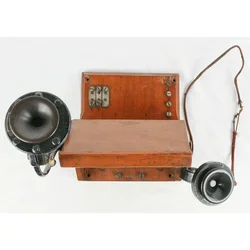
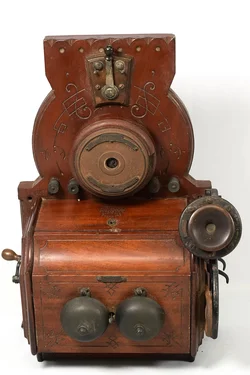
See all 1870s phones →
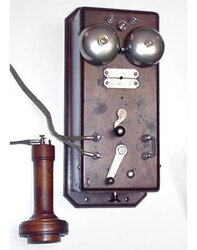
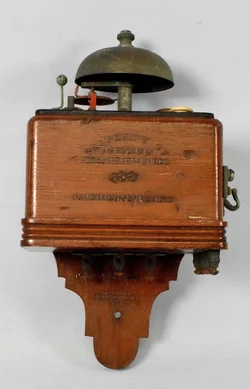
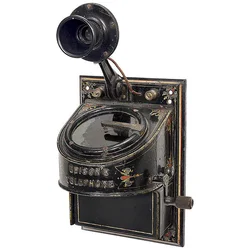
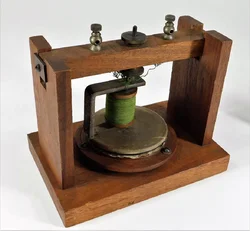
The 1880s The First Networks
1880
American Bell Telephone Company formed
Bell Telephone reorganizes as American Bell, consolidating patents and operations.
1882
First long-distance line: Boston to Providence
A 45-mile line connects Boston and Providence, Rhode Island.
1882
Western Electric becomes Bell's manufacturer
American Bell acquires Western Electric, establishing it as the exclusive manufacturer of Bell System equipment.
1885
AT&T incorporated
American Telephone and Telegraph Company is incorporated to build and operate long-distance lines.
1889
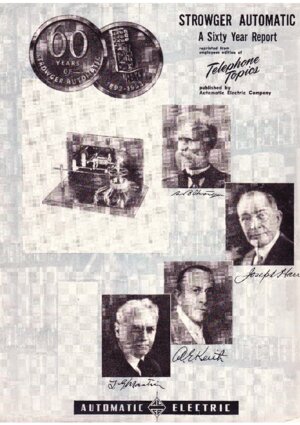
Almon Strowger invents the automatic switch
Kansas City undertaker Strowger patents the first automatic telephone exchange, eliminating the need for operators.
Phones
See all 1880s phones →
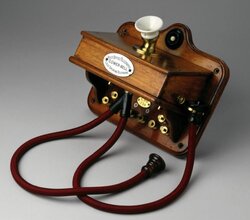
Gower-Bell Telephone
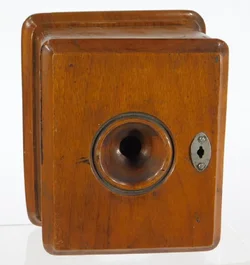
Blake Wood Cased Telephone Transmitter Box
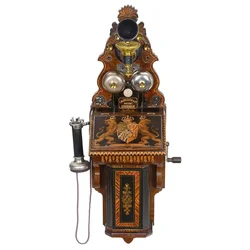
Fancy Royal Ericsson Phone
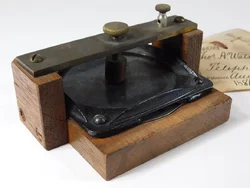
1881 Thomas A Watson Bell Prototype Telephone
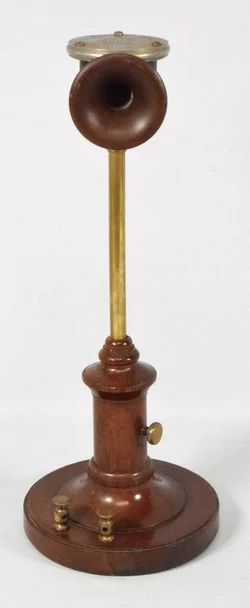
American Bell Long Distance Transmitter
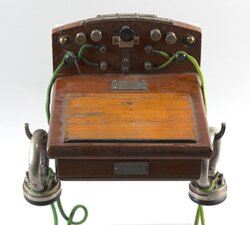
Early Systeme Ader Wall Phone
Gray No. 1 'Silver Dollar' Cabinet
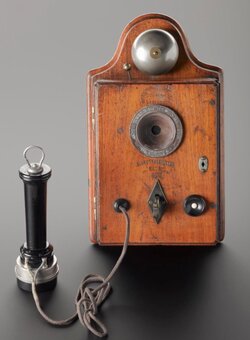
Silvertown Set
Documents
See all →
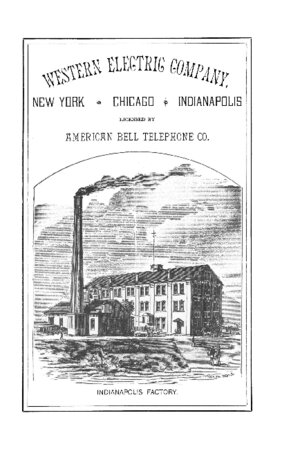
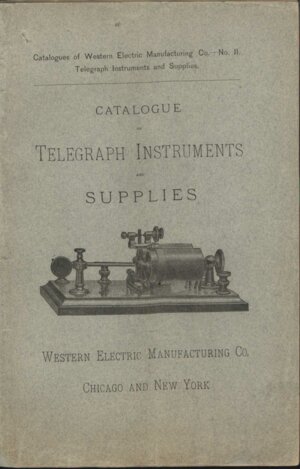
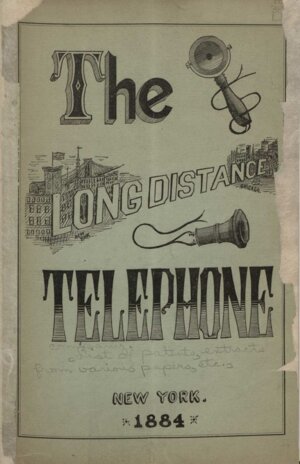
The 1890s The Patent Wars
1891
First Strowger automatic exchange
The first automatic exchange using Strowger's step-by-step switch opens in La Porte, Indiana.
1893
Bell's original patents expire
The expiration of Bell's fundamental patents opens the door to thousands of independent telephone companies.
1894
Independent telephone movement begins
Over 80 independent companies form within a year of patent expiration, bringing competition to local service.
1896
Strowger Automatic Electric Company formed
The company reorganizes to manufacture automatic switching equipment and telephones.
Phones
See all 1890s phones →
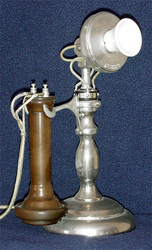
San Francisco Potbelly Candlestick
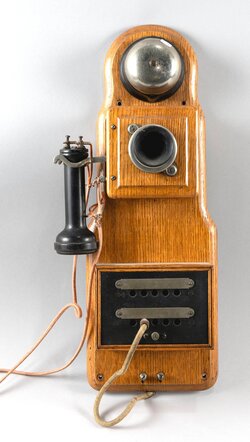
Couch and Seeley Fiddleback
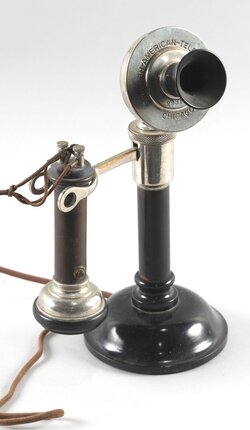
Swedish American Candlestick
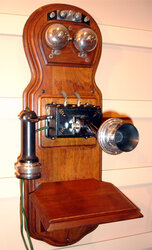
Stromberg-Carlson McKinley
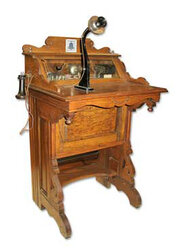
Western Electric Vanity
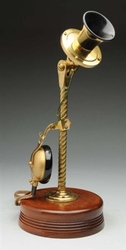
Mianus Electric Co. Rope Shaft
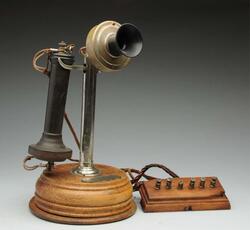
Chicago Telephone Supply Co. Desk Set
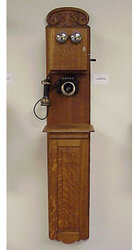
Stromberg-Carlson Tandem
Documents
See all →
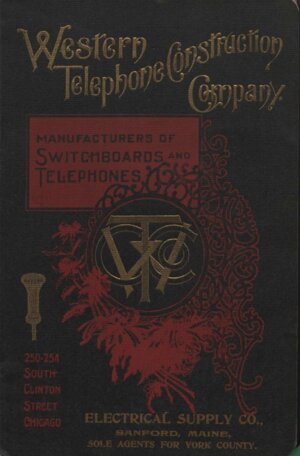
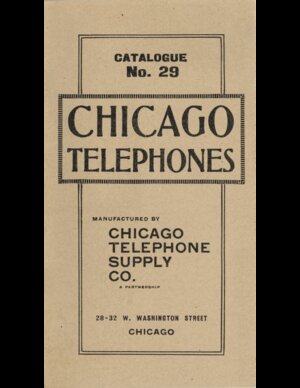
The 1900s The Candlestick Era
1900
The candlestick phone emerges
Upright desk telephones with separate earpieces become the dominant residential design.
1901
Over 6,000 independent phone companies
Competition explodes: by 1901, independents serve millions of subscribers in rural and urban areas Bell had ignored.
1904
Loading coil extends long-distance
Michael Pupin's loading coil patent allows clear voice transmission over much longer distances.
1907
Theodore Vail returns to AT&T
Vail becomes president and launches the "One Policy, One System, Universal Service" campaign.
Phones
See all 1900s phones →
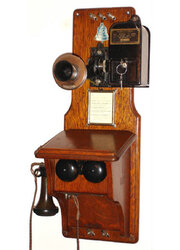
Western Electric Type 98
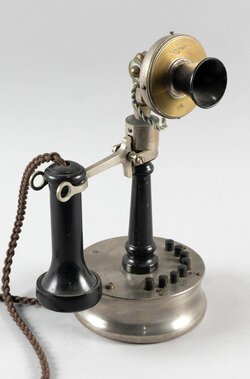
Nine Button Intercom Candlestick
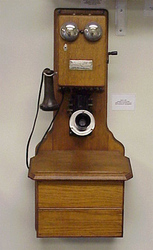
Automatic Electric Two Box
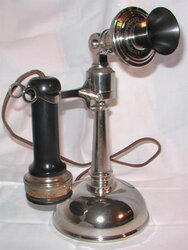
Oilcan
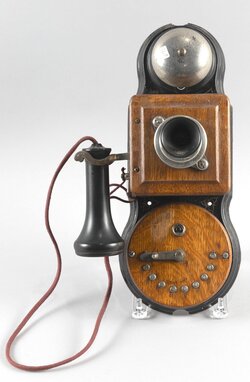
Couch and Seeley Fire Alarm Pull Station
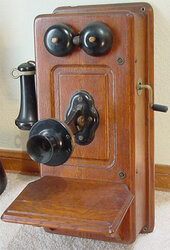
Compact Dry Cell Bridging Phone
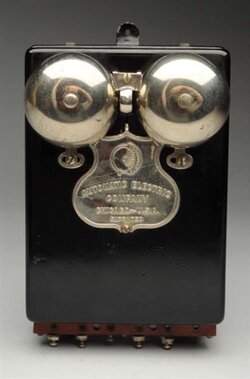
Strowger/AE Bell (Ringer) Box
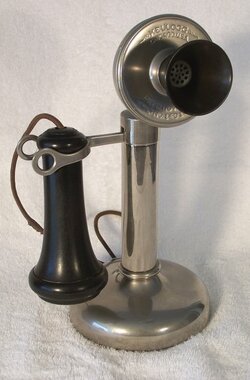
Nickel Candlestick Pat'd 1901
Documents
See all →
The 1910s A Phone in Every Town
1913
Kingsbury Commitment
AT&T agrees to connect independents and stop acquiring competitors, avoiding antitrust action.
1914
Transcontinental telephone line completed
A 3,400-mile line connects New York to San Francisco; Bell and Watson recreate the first call.
1915
First transcontinental phone call
Bell speaks to Watson from New York to San Francisco on January 25, 1915.
1919
Rotary dial telephone introduced
AT&T begins deploying dial telephones to subscribers, reducing the need for operators.
Phones
See all 1910s phones →
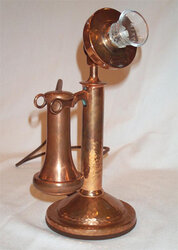
Hammered Copper Candlestick
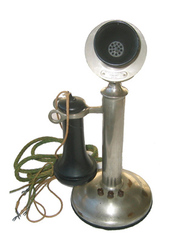
WE 20T Intercom Candlestick
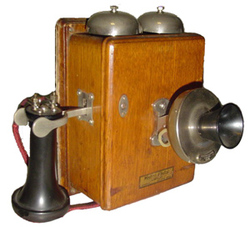
WE 293A
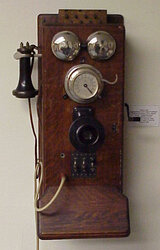
Rural Toll Phone c1918
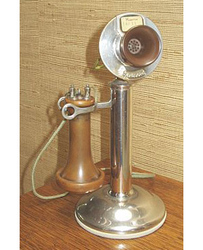
WE 20B Candlestick
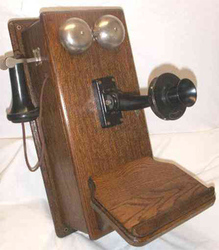
WE 317P
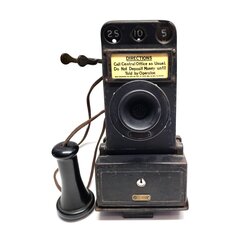
Gray 23D
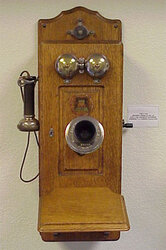
Swedish-American Picture Frame
Documents
See all →

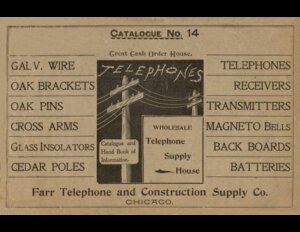
The 1920s The Dial Revolution
1920
Dial phones spread to major cities
New York, Chicago, and other cities begin converting exchanges from manual to dial operation.
1924
Bell Telephone Laboratories founded
AT&T and Western Electric consolidate research into Bell Labs, which will become the world's premier industrial lab.
1927
First transatlantic phone call
Commercial service begins between New York and London via radio, at $75 for three minutes.
1928
Combined handset telephones appear
French-style phones with transmitter and receiver in a single handset begin replacing the candlestick form.
Phones
See all 1920s phones →
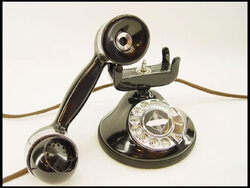
AE 1A
WE 20T Intercom Candlestick
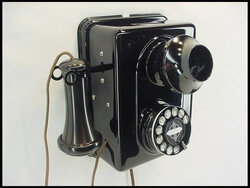
AE 21 Wall Phone
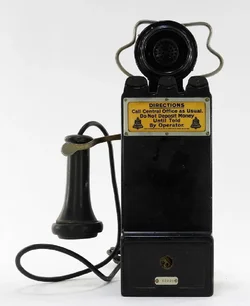
C.1920 Gray Telephone Pay Station Co Hartford CT
WE 317P
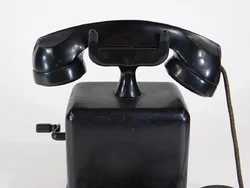
American Electric Monophone Cradle Desk Telephone
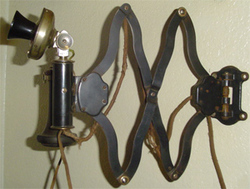
40B Railroad Phone
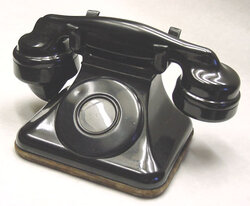
Leich #60 Extension Phone
Documents
See all →
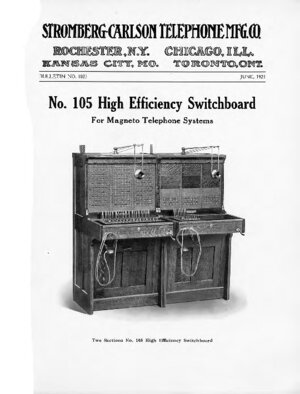
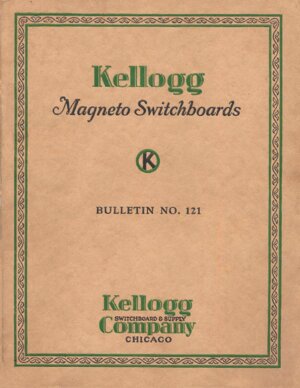
The 1930s Art Deco Arrives
1930
Art Deco influences telephone design
Streamlined industrial design transforms the telephone from a utilitarian device into a styled product.
1937
Western Electric 302 introduced
Henry Dreyfuss designs the iconic WE 302, the first truly modern desk telephone with combined handset.
1938
Coaxial cable enables broadband
AT&T deploys coaxial cable for simultaneous telephone and television transmission.
Phones
See all 1930s phones →
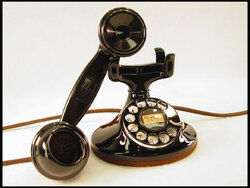
WE 202
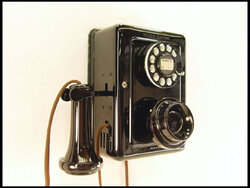
WE 653
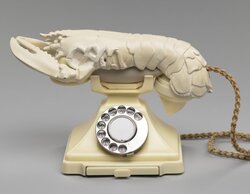
Salvadore Dali Lobster Telephone: White Version
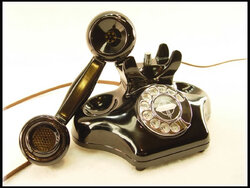
Kellogg 925
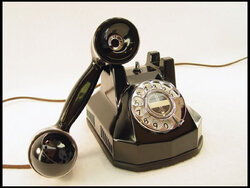
AE 34
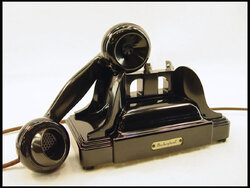
Kellogg 900
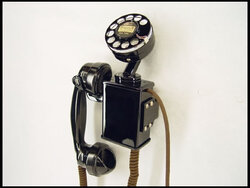
WE 201 Spacesaver
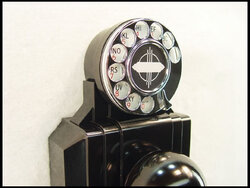
Kellogg 9917
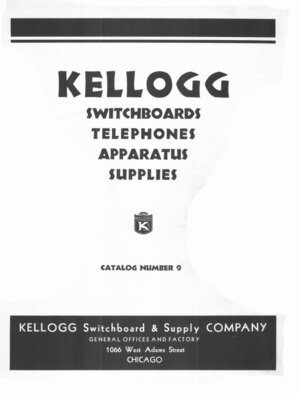
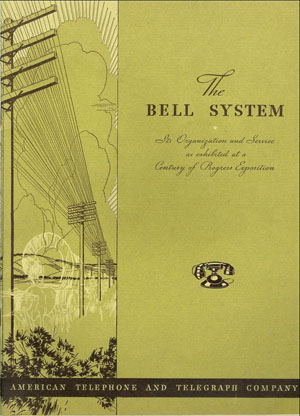
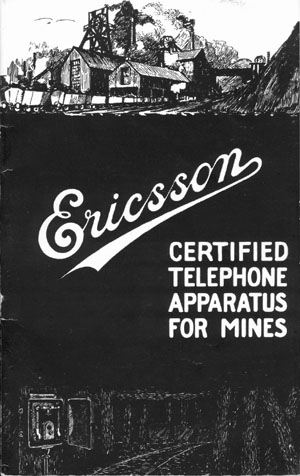
Documents
See all →
The 1940s The War Years
1941
Phone production halted for WWII
Western Electric converts to military production; civilian phone manufacturing suspended.
1946
First mobile telephone service
AT&T launches Mobile Telephone Service (MTS) in St. Louis, connecting car phones to the landline network.
1947
Transistor invented at Bell Labs
Bardeen, Brattain, and Shockley invent the transistor, revolutionizing all electronics.
1949
Western Electric 500 introduced
Dreyfuss redesigns the desk phone again; the WE 500 becomes the most widely produced telephone in history.
Phones
See all 1940s phones →
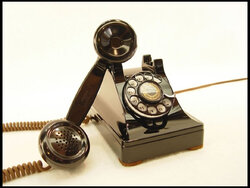
WE 302
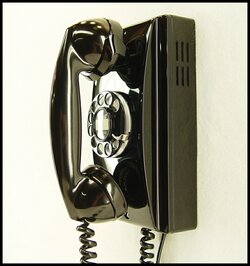
WE 354
Salvadore Dali Lobster Telephone: White Version
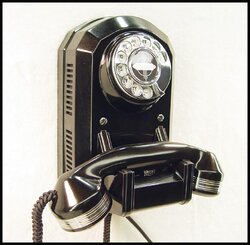
AE 50 "Jukebox"
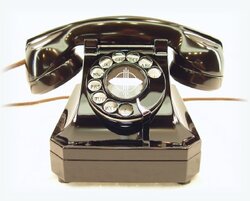
Stromberg-Carlson 1243
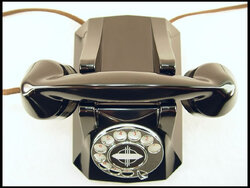
AE 40
WE 653
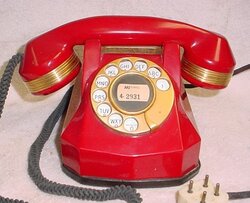
Red AE40 With Gold Trim
Documents
See all →

The 1950s The Golden Age
1951
Direct long-distance dialing begins
Customers can dial long-distance calls without operator assistance for the first time.
1954
Colored telephones offered
Western Electric begins offering the Model 500 in colors beyond black: ivory, green, red, yellow, blue, pink, gray, and white.
1956
Transatlantic telephone cable (TAT-1)
The first submarine telephone cable connects North America and Europe, replacing unreliable radio links.
1959
Princess phone introduced
AT&T markets the compact, lighted Princess phone specifically to teenagers and women.
Phones
See all 1950s phones →
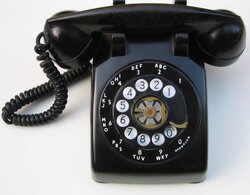
WE 5302
WE 653
AE 40
WE 302
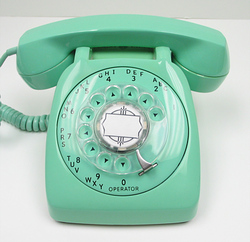
AE 80 And Color Variants
AE 50 "Jukebox"
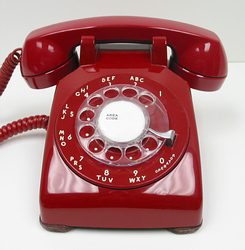
WE 500 And Color Variants
Salvadore Dali Lobster Telephone: White Version
Documents
See all →
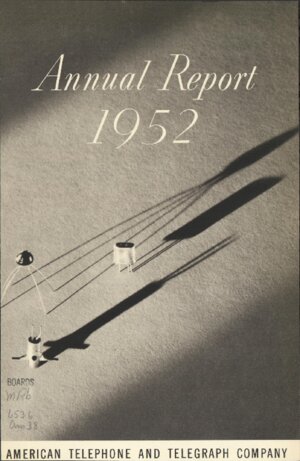
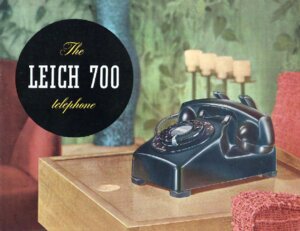
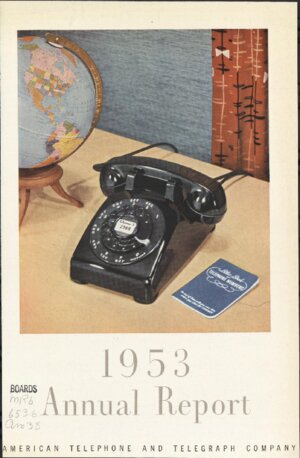
The 1960s Push-Button Modern
1962
Telstar: first communication satellite
AT&T's Telstar satellite relays the first live transatlantic television and telephone signals.
1963
Touch-Tone dialing introduced
Push-button phones using DTMF tones debut at the World's Fair, replacing rotary dials.
1964
Trimline phone introduced
The dial (or buttons) move into the handset for the first time in AT&T's sleek Trimline design.
1968
Carterfone decision
The FCC rules that non-Bell equipment can connect to the phone network, breaking AT&T's equipment monopoly.
Phones
See all 1960s phones →
WE 500 And Color Variants
AE 80 And Color Variants
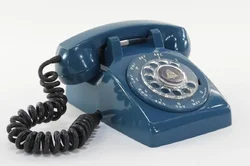
Bell System Blue Color Sample 500 Set
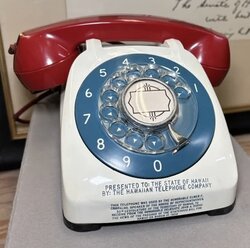
Hawaii Statehood Phone
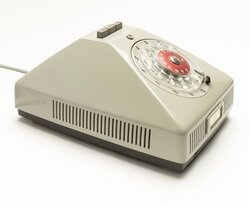
Ericovox Speaker Phone
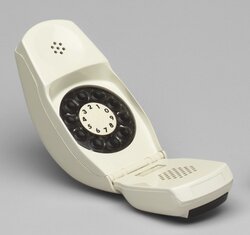
Grillo Folding Telephone
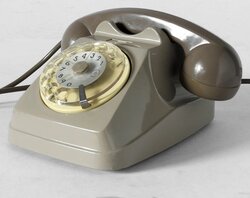
Siemens Auso S62 In Original Bigrigio Gray Colors
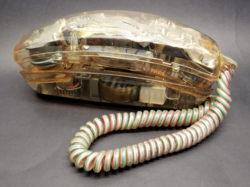
1969 Western Electric Clear Trimline Field Trial Rotary
Documents
See all →
The 1970s Design Goes Wild
1971
Novelty phones and design experimentation
With the Carterfone decision opening the market, novelty and designer telephones proliferate.
1975
Fiber optic telephone transmission
Bell Labs demonstrates practical fiber optic communication, foreshadowing the end of copper networks.
1978
First cellular test network
AT&T and Bell Labs launch the Advanced Mobile Phone System (AMPS) trial in Chicago.
Phones
See all 1970s phones →
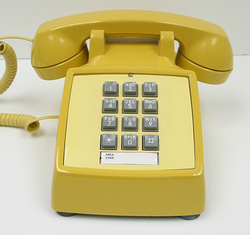
WE 2500 And Color Variants
AE 80 And Color Variants
WE 500 And Color Variants
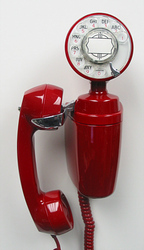
AE Spacemaker And Color Variants
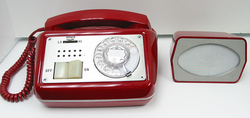
AE 880 Speakerphone Color Examples
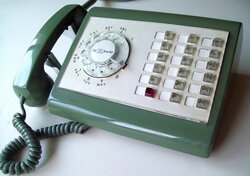
WE Rotary Call Director
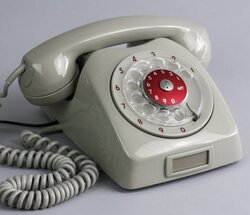
Ericsson Dialog Phone
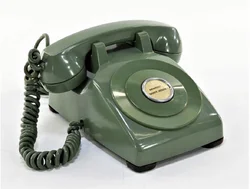
Eisenhower’s Summer White House Phone
Documents
See all →

The 1980s The Breakup
1982
AT&T antitrust settlement
The U.S. government and AT&T reach the Modified Final Judgment, agreeing to break up the Bell System.
1984
Bell System breakup takes effect
AT&T divests its local operations into seven Regional Bell Operating Companies on January 1.
1984
Cordless phones go mainstream
Affordable 46/49 MHz cordless phones become common household items.
Phones
See all 1980s phones →
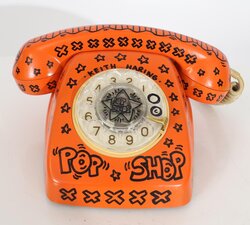
Keith Haring Pop Up Shop Orange Siemens 611
WE 500 And Color Variants
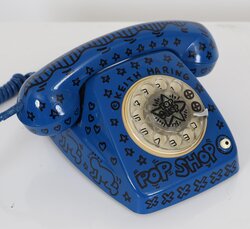
Keith Haring Pop Up Shop Blue Siemens 611
WE 2500 And Color Variants
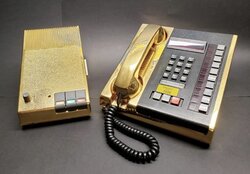
1981 Gold Northern Telecom SL1 Speakerphone Limited Edition
1969 Western Electric Clear Trimline Field Trial Rotary
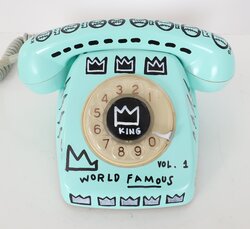
Jean-Michel Basquiat Painted Siemens 611
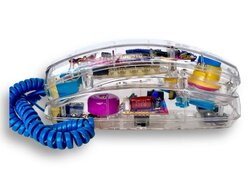
Clear Conairphone
Documents
See all →
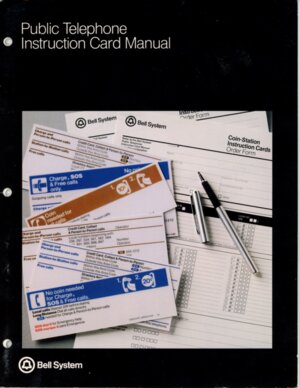
The 1990s End of an Era
1992
Caller ID becomes widespread
Phone companies roll out Caller ID service nationally, changing how people answer calls.
1996
Telecommunications Act of 1996
Major deregulation opens local telephone markets to competition for the first time.
1999
Cell phones surpass expectations
U.S. wireless subscribers reach 86 million, far exceeding all early projections.
Phones
See all 1990s phones →
×
![]()